


Protecting Your Home From Ice: Essential Winter Maintenance Tips
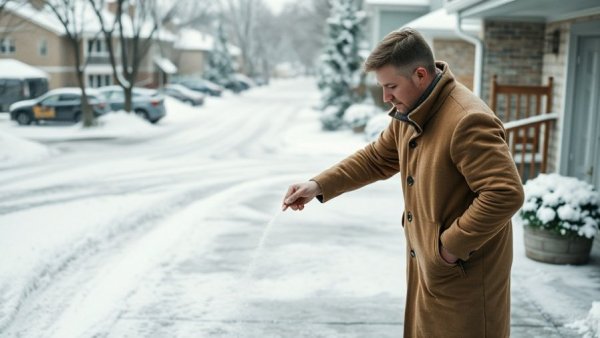
The winter season heralds the risk of slips and falls, especially outdoors. The Centers for Disease Control report a staggering 35% increase in these injuries during the winter months, primarily due to icy surfaces like driveways and sidewalks. Luckily, salting these areas can reduce hazards significantly. But how and when should you apply salt for the best results?
When Should You Salt Your Driveway?
Industry experts suggest that salting your driveway isn't merely a matter of spreading salt, but of timing. Applying salt before a snowstorm can create a slippery barrier that prevents heavy snow from bonding with the surface, making post-storm clean-up easier. Remember to do it several hours ahead of the storm for maximum efficacy, especially if heavy snowfall is anticipated. However, avoid pre-salting for light snows or if rain is forecasted, as it may wash away salt before snow accumulates.
How to Effectively Salt After Snowfall
Once the snow has settled, do not rely solely on salt to deice your driveway. Start by removing as much snow as you can, then spread salt to tackle any remaining icy patches. The best time to salt is immediately following your snow removal efforts, before nighttime temperatures drop. This not only prevents ice from forming but ensures that any residual snow doesn’t freeze solid.
Combining Strategies for Maximum Safety
It’s often most effective to employ both pre and post-storm salting methods, especially when dealing with heavier storms. This dual approach helps minimize ice contact with the surface, and a second application can break down any ice that forms after snowfall. Just keep in mind, for smaller snowfalls, applying salt afterwards may suffice and help conserve both resources and protect your driveway's surface.
Understanding Rock Salt: How Much Do You Need?
When it comes to measuring your salt usage, less is more. A single 12-oz cup can effectively treat a 1,000-square-foot area, so be sure to distribute it evenly, leaving spaces between grains. Overapplication can lead to deterioration of walkway surfaces, make sidewalks hazardous, and harm surrounding vegetation. Using a spreader not only eases this task but ensures you're following the recommended guidelines.
Alternatives to Rock Salt
Rock salt’s effectiveness wanes in very low temperatures. If your region frequently dips below 15 degrees, consider switching to alternatives like calcium chloride or magnesium chloride, which work at lower temperatures. This ensures your safety measures remain effective even in the coldest conditions.
The smooth, safe access to your driveway in winter is not just about aesthetics; it's essential in preventing injuries. Follow these salting strategies to safeguard your home and ensure that every step you take is secure this winter. By being proactive with your salting methods, you create a safer environment for your family, guests, and any service providers visiting your home.






Write A Comment