


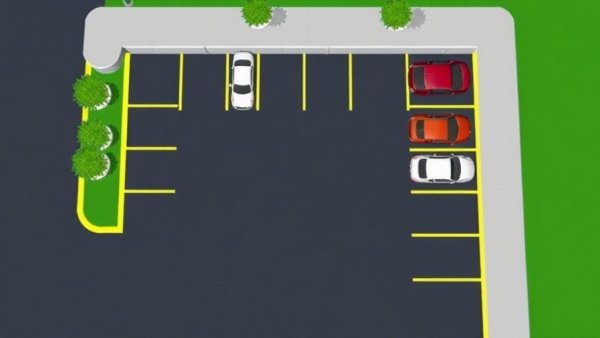
Understanding the Layout: Diagonal vs. Straight Parking
Navigating a new parking lot can feel overwhelming, especially with the varying designs you often encounter. In some areas, you might wonder why some lots feature diagonal parking instead of traditional straight spaces. It all boils down to design intention aimed at enhancing traffic flow and easing parking difficulties for drivers.
The Benefits of Diagonal Parking Spaces
Diagonal parking spaces are not just a random choice; they offer significant advantages. One major benefit is that they're easier to maneuver into, requiring less sharp turning compared to straight spaces. In busy lots where vehicles are frequently entering and exiting, this setup helps maintain smoother traffic flow, as diagonal spaces typically align with one-way lanes.
Space Efficiency and Safety: A Balanced View
While diagonal parking has many benefits, it does come with some trade-offs. Interestingly, according to research by the Iowa Statewide Urban Design and Specifications, one-way angled parking can provide fewer spaces compared to perpendicular designs. However, these angled spaces allow for narrower driving lanes which can be beneficial in tight areas.
Moreover, backing out from an angled space can be challenging if surrounding vehicles obstruct visibility. To improve safety, some areas have turned to back-in angled parking. This layout permits drivers to pull forward when exiting, significantly enhancing sightlines and making it easier to avoid pedestrians and oncoming traffic.
Conclusion: Smart Innovations in Parking Design
As homeowners and service providers, understanding these parking innovations can enhance not only convenience but also safety in everyday scenarios where you might be looking for easy access. Next time you're managing your parking situation, consider how design impacts not just your experience but also traffic dynamics.







Write A Comment