
Add Row
Add Element
cropper
update
Ignitor Marketing
update
Add Element
  • Home
  • Categories
    • Home Improvement
    • Home Automation
    • New Trends In Home Renovations
    • New Technology for Homes
    • Smart Homes
    • Home Owner News
August 01.2025
2 Minutes Read

NVR vs DVR: Essential Insights for Homeowners on Modern Surveillance

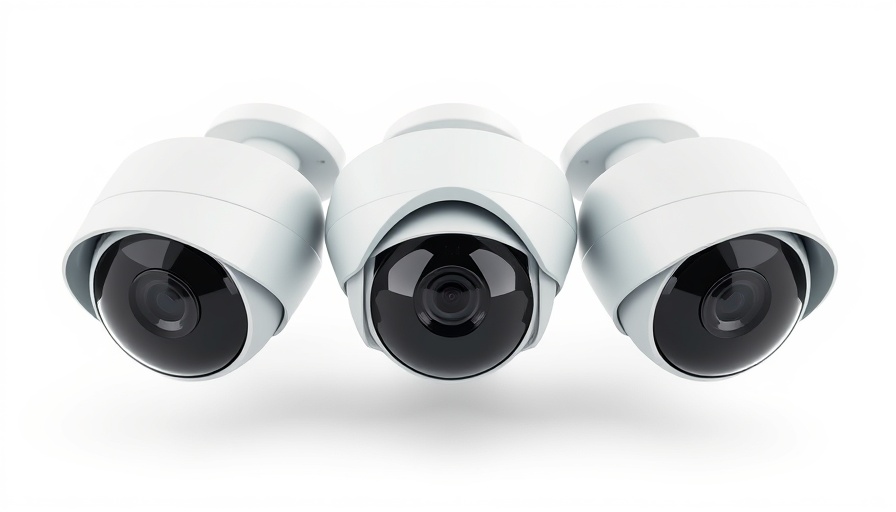
Three surveillance cameras on white background illustrating NVR vs DVR choice.

Understanding NVR and DVR: The Basics

In the rapidly evolving world of home technology, the surveillance system has become a pivotal aspect of security and monitoring. Two of the most common types of surveillance systems are Network Video Recorder (NVR) and Digital Video Recorder (DVR). While both serve the essential purpose of recording video footage, they operate in fundamentally different ways. Taking a closer look at these systems can help homeowners and service providers alike make informed choices about their security needs.

Key Differences Every Homeowner Should Know

First and foremost, NVRs are designed to work with IP (Internet Protocol) cameras that connect wirelessly, allowing for greater flexibility in installation and camera placement. Conversely, DVRs are typically connected to analog cameras via coaxial cables, which can limit the system's range and setup options. This distinction is crucial for homeowners aiming to achieve optimal coverage and convenience in their homes.

Quality of Video: NVR vs DVR

Another vital difference lies in video quality. NVR systems generally provide high-definition video, often 1080p or higher, thanks to their ability to process digital signals directly from IP cameras. In contrast, traditional DVR systems usually record at lower resolutions, which may not meet the demands of homeowners seeking superior image clarity for effective monitoring.

Storage and Scalability Options

Storage capabilities vary between NVR and DVR systems, with NVRs allowing for more extensive data storage options. NVR systems often come equipped with cloud storage options, making it easier for users to access their recorded footage from anywhere. Meanwhile, DVR systems typically require local hard drives with limited storage, which could pose challenges for users who need to maintain long-term surveillance records.

The Future of Home Security Technology

As technology continues to advance, the debate between NVR vs. DVR will likely shift further in favor of NVR solutions due to their flexibility, higher video quality, and remote accessibility. Homeowners considering upgrades or installations must remain informed about these evolving technologies to embrace the latest innovations in smart home setups.

Making Informed Decisions

Ultimately, understanding the nuances of NVR vs. DVR is crucial for homeowners and service providers invested in enhancing home security. By staying abreast of technological advancements, one can fully exploit the advantages of new home technologies, ensuring a safer, smarter living environment.

Smart Homes

Write A Comment

*
*
Related Posts All Posts
11.26.2025

Unlocking Potential: How SBA Microloans Can Transform Startups

Update The Power of SBA Micro Loans for StartupsHave you ever felt stifled by the financial requirements that come with starting your own business? If so, you're not alone. Many aspiring entrepreneurs encounter roadblocks when trying to secure traditional funding, especially if they lack an extensive credit history. This is precisely where SBA microloans shine. Designed specifically with startups in mind, these loans can provide the crucial financial boost needed to turn your business dream into reality.What Makes SBA Microloans Unique?SBA microloans offer amounts up to $50,000, enabling budding entrepreneurs to cover essential costs such as equipment, supplies, or even working capital. Unlike conventional bank loans, microloans are distributed via nonprofit community-based lenders. These lenders focus more on your business's potential than on just your credit score, making it easier for newcomers to secure funding.Easy Qualification: A Blessing for New EntrepreneursTo qualify for an SBA microloan, your business needs to be a for-profit entity that operates in the U.S. The lenders are often keen on small or early-stage businesses, including minority-owned ventures. While a solid business plan and cash flow projections are essential, a less-than-perfect credit score doesn't automatically disqualify you. What's more, many lenders provide additional support, such as counseling and mentorship, to help new entrepreneurs navigate their finances effectively.Using SBA Microloans for Growth and ExpansionSo, how can you make the most out of these microloans? They can cover daily financial requirements like purchasing new equipment or expanding operations, directly impacting the growth of your business. The built-in mentorship and support often lead to higher success rates among microloan recipients compared to average startups. By investing wisely and utilizing the resources provided, you not only enhance your financial prospects but also enrich your entrepreneurial journey.

11.07.2025

Business Line of Credit vs. Business Loan: Choosing What's Best for Your Needs

Update Understanding the Business Line of Credit and Business Loan In the fast-paced world of business, having access to funds when you need them can be the key to success. As a small business owner, understanding the differences between a business line of credit and a business loan is crucial for making informed financial decisions. Each option has unique characteristics that cater to different business needs. What Sets Them Apart? A business loan typically provides a fixed amount of money for a defined purpose, with a predictable repayment plan. Ideal for substantial investments, such as equipment or renovations, this option offers certainty but can lack flexibility. On the other hand, a business line of credit acts more like a safety net. You can access funds up to an approved limit, much like a credit card, allowing you to borrow and repay multiple times as your cash flow fluctuates. Speed and Convenience: When Every Second Counts Timing is critical. Traditional loans often involve a lengthy approval process, which can result in missed opportunities, while a line of credit allows business owners to access funds quickly. Once established, it’s immediately available when sudden expenses arise, making it suitable for those who face regular cash flow challenges. Cost: More than Just the Interest Rate Beware of the full cost of borrowing. With a business loan, interest is charged on the entire amount from day one, regardless of how quickly you use the funds. Conversely, a line of credit allows you to only pay interest on what you actually draw, providing a potentially lower cost if managed wisely. Which Option is Right for You? When making your choice, consider the nature of your expenses. A business loan is best when you need a one-time, significant investment with clear repayment terms. Meanwhile, a line of credit is preferable for ongoing, unpredictable cash flow requirements, giving you the flexibility to withdraw funds as needed. Let’s Help You Make the Best Choice! From cash flow unpredictabilities to planned expenditures, understanding how each financing option works is the first step toward making effective financial decisions. If you want to explore further and clarify your specific needs, don’t hesitate to consult with your financial advisor or reach out to an expert!

11.04.2025

How an Equipment Financing Calculator Can Boost Your Financial Confidence

Update Enhancing Your Equipment Financing DecisionsWhen it comes to ramping up your business operations, understanding how to finance essential equipment is crucial. An equipment financing calculator provides a streamlined approach to estimate your monthly payments and clarify overall costs, ensuring you won't be surprised down the road.How an Equipment Financing Calculator WorksSo, what's the secret sauce to effective financing decisions? The calculator simplifies complex calculations. By inputting key data such as the equipment cost, loan term, and interest rates, you gain instant insights into your potential payments. For example, if you know a tractor investment will set you back $500,000, the calculator will break down the figures into manageable monthly cost for the entire loan duration.Why Accurate Calculations MatterInformation is power! Accurately assessing the total cost of your financing helps avoid pitfalls. Research demonstrates that a majority of small businesses cite equipment financing as one of their primary reasons to take loans. Without the help of a calculator, businesses risk underestimated payments draining their budgets, forcing an unexpected strain on cash flow.Tips for Using the Calculator EffectivelyHere are a few pointers to maximize the utility of your equipment financing calculator:Gather All Costs: Don't just enter the purchase price; consider delivery, installation, and any other associated fees. An accurate total leads to better insights.Adjust Loan Terms: Experiment with different repayment periods. Longer terms might reduce monthly payments but will lead to greater overall interest costs.Be Mindful of Interest Rates: Input realistic rates based on lenders' quotes to prepare for varying scenarios in your financial planning.Taking Control of Your FinancingWith smart tools at your disposal, like the equipment financing calculator, you can confidently stride into equipment purchases knowing exactly what you can afford. By making informed decisions, you set the stage for sustainable growth without the looming threat of hidden fees or costs. Planning and understanding your financing structure can pave the way toward successful expansions in your business.

Terms of Service

Privacy Policy

Core Modal Title

Sorry, no results found

You Might Find These Articles Interesting

T
Please Check Your Email
We Will Be Following Up Shortly
*
*
*