


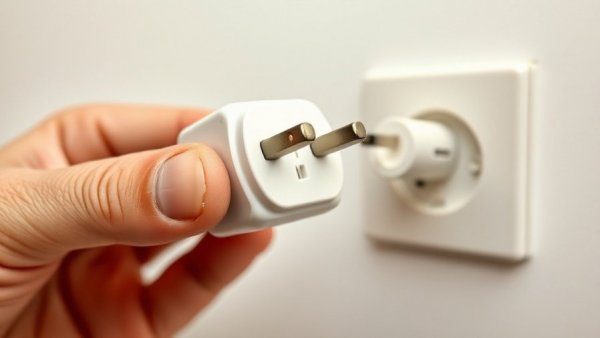
Unraveling the Mystery of Electrical Plug Prongs
For many homeowners and service providers alike, the world of electronics can seem riddled with peculiarities. Take the little holes in electrical plug prongs—what are they really for? Despite being a common sight, most people have little understanding of their function. Let’s delve into their origins, usability in modern appliances, and what they mean for the average consumer.
The Purpose Behind the Prong Holes
Originally, these holes served a functional purpose: they helped to secure plugs in old-fashioned outlets through small bumps that fit into the holes. However, as technology evolved and safety standards improved, this mechanism was phased out by manufacturers. According to the National Electrical Manufacturers Association (NEMA), outlets today hold plugs securely without the need for those bumps.
How They Are Used Today
In today’s world, the small holes found on the prongs are primarily a manufacturing feature. Some manufacturers use these holes to secure the prongs while assembling plugs, ensuring that they fit correctly. Interestingly, they do not contribute to the flow of electricity; that responsibility lies solely with the two flat prongs or the rounded grounding pin.
What’s more, these holes can also hold safety tags or locks, particularly in industrial settings, adding a layer of safety during maintenance tasks. However, they’re not a substitute for proper safety protocols as outlined by the Occupational Safety and Health Administration (OSHA).
What Every Homeowner Should Know
For homeowners seeking peace of mind, especially as they explore new home technologies and renovations, awareness of electrical components and their functionalities is vital. Although modern outlets have evolved, if you notice that plugs are slipping out frequently, it may be time to check and possibly replace the outlet.
Understanding these intricacies of electrical systems not only broadens your knowledge base but also impacts your home improvement and DIY projects, including upgrades towards energy efficiency and sustainability in home renovations.





Write A Comment