


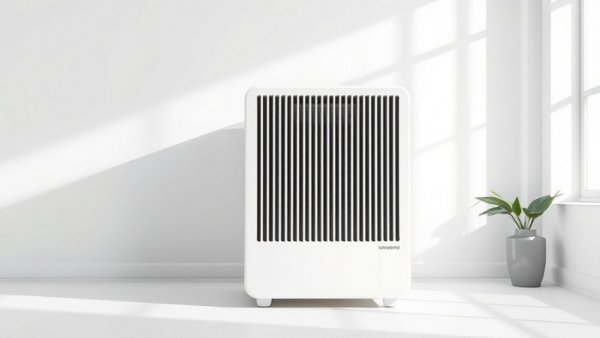
Why Choose a Dehumidifier with a Pump?
In spaces like basements that lack floor drains, a dehumidifier with a built-in pump is essential. Unlike traditional dehumidifiers that rely on gravity, these units can elevate water to higher levels, allowing for more flexibility in drainage options. This innovation is particularly beneficial when the unit needs to drain into laundry sinks or windows that sit higher than its outlet. It's crucial for homeowners to understand both the pump's lift height and the specific needs of their environment, making the right choice paramount.
Comparing the Top Picks in Dehumidifiers
Among the standout models, each with a 50-pint capacity, four units have emerged prominently on energy efficiency and functionality. The Frigidaire FHDP5033Y1 shines as the safest option due to its stated maximum pump lift of 16.4 feet. This assurance allows buyers to trust that it can effectively handle their drainage layout without issues. Meanwhile, the Midea MAD50P1AWS-A appeals to tech-savvy users looking for Wi-Fi and voice control capabilities through Alexa or Google Assistant, reflecting the growing trend toward smart home integration.
Considerations for Different Environments
Each dehumidifier has its strengths tailored for specific conditions. For example, the Hisense ADH50KP26 is designed for cool basements, operating effectively at temperatures as low as 38°F, making it ideal for unheated spaces. The Whirlpool WHHD501PAW offers versatility with three draining options—bucket, pump, or hose—suitable for evolving homeowner needs. These selections underscore the importance of matching a dehumidifier to one's specific environmental context, addressing both functionality and energy efficiency.
Understanding Energy Efficiency
When comparing these units, it's crucial to look at their annual energy usage. The Frigidaire model leads with the lowest annual kWh consumption at 520, promoting both savings and sustainability. Most dehumidifiers listed utilize approximately 2.01 liters of water removed per kilowatt-hour, demonstrating similar efficiency among leading brands. As homeowners become more energy-conscious, aligning dehumidifier selection with energy savings becomes increasingly vital.
The Importance of Smart Features
Wi-Fi-enabled options not only enhance convenience but also ensure real-time monitoring and control, reducing water damage risks and streamlining maintenance. As consumers flock to smart home technologies, it's clear that these features are more than just a fad; they're shaping the future of home management. With advancements in technology, homeowners can enjoy enhanced levels of comfort and security, making informed decisions about appliance features that contribute to overall efficiency.
Bottom line: Choosing the right dehumidifier can significantly impact home maintenance and energy costs. Buyers are encouraged to evaluate their unique needs and consider models that not only perform effectively but also align with emerging trends in smart home technology.




Write A Comment